Tire pressure is critical for safety and fuel efficiency! Use a
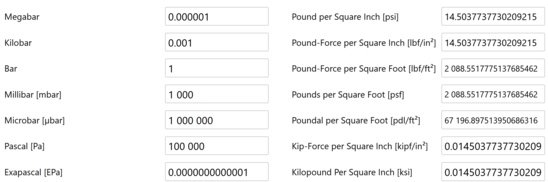
Pressure Converter to translate between PSI and bar. 2.5 bar equals approximately 36.3 PSI, which is a typical tire pressure for passenger cars. Here's why this matters: underinflated tires wear faster, reduce fuel economy, and can overheat; overinflated tires give a harsh ride and wear unevenly. The converter handles all common pressure units: PSI (pounds per square inch - US standard), bar (metric, common in Europe), kPa (kilopascals - SI unit), atm (atmospheres), mmHg (millimeters of mercury - used in medicine), and more. For practical reference: most car tires need 30-35 PSI (2.1-2.4 bar), bike tires need 40-80 PSI (2.8-5.5 bar) for road bikes and 30-50 PSI for mountain bikes, basketballs need about 8 PSI (0.55 bar). Always check tire pressure when tires are cold (before driving) because pressure increases as tires heat up from driving - you might think they're properly inflated when they're actually low. The recommended pressure is usually on a sticker inside the driver's door frame or in the owner's manual. Don't go by the max pressure stamped on the tire itself - that's the maximum safe pressure, not the recommended operating pressure. Proper tire pressure improves handling, fuel economy (up to 3%), and tire life significantly.